By Julia Saunders
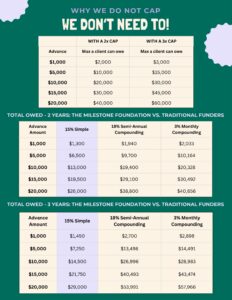
As state-level regulation of consumer litigation funding expands rapidly in 2026, attorneys nationwide need to understand how new laws affect their clients’ access to fair, transparent funding. The Milestone Foundation offers a nonprofit alternative designed to help plaintiffs cover expenses during litigation with simple interest, never compounding.
Key Legislative Trends
State legislatures across the United States are increasingly focusing on consumer litigation funding (CLF), with new laws and proposed bills aimed at regulating disclosure requirements, fee structures, and funder conduct. The 2025–2026 legislative cycle reflects a broader shift toward formal regulatory frameworks rather than outright bans on litigation finance.
What Is the Current State of New York’s Consumer Litigation Funding Act?
New York has emerged as the most active state in shaping litigation funding regulations. In December 2025, the state enacted the Consumer Litigation Funding Act (A804-C / S1104A), establishing a comprehensive framework governing consumer litigation funding agreements. The law took effect in June 2026.
Key provisions include:
- A cap limiting funder recovery to 25% of the gross settlement or judgment
- Mandatory plain-language contract requirements
- A 10-day consumer rescission period
- Registration and regulatory oversight of litigation funders
- Prohibitions on funders influencing litigation strategy or settlement decisions
These provisions establish New York as a model jurisdiction for structured regulation of the industry (Goldberg Segalla, 2025).
While this legislation is progress, the bill still doesn’t cap interest rates that lenders can charge, nor does it impose rules or restrictions on the types of fees that can be charged. As the legislature looks to further protect plaintiffs, these areas must be targeted for reform and additional oversight.
Litigation funding should provide plaintiffs with a bridge to seek justice, not expose them to additional risk after trauma (McCarthy Woodruff, 2026).
Building on this framework, New York Senate Bill S08808 (2026) is currently under consideration. The bill would further refine regulatory structure by:
- Placing oversight under financial services law (Article 10 framework)
- Requiring annual reporting and formal registration of funding entities
- Standardizing contract requirements
- Defining covered litigation funding transactions, including advances up to $500,000 tied to case proceeds
Rather than introducing new regulation from scratch, S08808 represents a technical expansion and administrative refinement of the 2025 law (LegiScan, 2026).
What Are the New 2026 Legislative Developments in California, Kansas, and Ohio?
Since the original publication of this article, three additional states have introduced or advanced significant litigation funding legislation. These developments signal that the regulatory momentum is not limited to New York but is spreading across the country.
California AB-743: Lawsuit Financier Licensing Under the DFPI
California Assembly Bill 743 would bring lawsuit financiers under the California Department of Financial Protection and Innovation (DFPI) licensing framework. Currently under consideration in the 2025-2026 session, the bill proposes significant regulatory requirements:
- A $250,000 surety bond requirement for litigation funding entities
- Civil penalties of up to $100,000 for first violations and $250,000 for repeat violations
- Mandatory licensing through the DFPI, bringing funders under the California Financing Law
- Disclosure requirements for contract terms, interest rates, and fee structures
If passed, California AB-743 would position California as the largest state with a formal licensing framework for consumer litigation funding, following New York’s lead with an enforcement-first approach.
Kansas SB 426: Transparency in Consumer Legal Funding Act
Kansas Senate Bill 426, known as the Transparency in Consumer Legal Funding Act, has cleared committee and is awaiting floor action. Key provisions include:
- Registration with the Kansas Secretary of State for all litigation funding entities
- A prohibition on foreign government or foreign adversary funding of litigation
- Consumer protections with statutory damages of up to $10,000 per violation
- Attorney fee recovery for consumers who prevail in enforcement actions
- Plain-language disclosure requirements for funding agreements
Kansas SB 426 represents a growing trend among Midwestern states to regulate funding transparency while addressing national security concerns about foreign funding sources.
Ohio HB 105: Comprehensive Non-Recourse Litigation Funding Reform
Ohio House Bill 105 proposes to repeal and replace existing Section 1349.55 with a new comprehensive framework under Sections 1357.01-1357.08. This is one of the most detailed regulatory proposals outside of New York:
- Prohibits foreign-domiciled funding entities from operating in Ohio
- Requires attorney consent before funders can access confidential case information
- Establishes consumer lien priority protections to ensure plaintiffs receive their share first
- Grants the Ohio Attorney General enforcement authority over violations
- Creates a registration system for all litigation funding providers
Ohio HB 105 would make Ohio the most comprehensively regulated state for non-recourse litigation funding in the Midwest, with strong consumer and attorney protections.
State-by-State Regulation Comparison Table
The table below compares all five states with enacted or pending litigation funding regulations, highlighting key provisions attorneys need to know.
| State |
Key Statute |
Licensing Required |
Interest Cap |
Disclosure Required |
Rescission Period |
Foreign Funding Restricted |
| New York |
A804-C / S1104A + S08808 |
Yes (Article 10) |
25% of gross settlement cap |
Yes |
10 days |
Pending |
| Ohio |
HB 105 (Sections 1357.01-.08) |
Registration |
Referenced in existing Section 1349.55 |
Yes |
Not specified |
Yes |
| Oklahoma |
OK Stat Section 3-801 et seq. |
Registration |
Reasonableness standard |
Yes |
5 days |
Not specified |
| Nebraska |
NE Rev Stat Sections 25-3301 to 25-3307 |
Registration |
None specified |
Yes |
5 days |
Not specified |
| North Carolina |
NC GS Section 1-630 et seq. |
Registration |
None specified |
Yes |
3 days |
Not specified |
As these regulations take shape, attorneys can refer clients to The Milestone Foundation’s Partners for Justice program for ethical, simple-interest funding options that comply with evolving state requirements.
National Trends in Litigation Funding Legislation (2025-2026)
Outside of New York, state legislatures are increasingly exploring similar regulatory approaches, with several common themes emerging across proposals.
A. Consumer Protection and Licensing Frameworks
A growing number of states are considering or drafting legislation that would:
- Require licensing or formal registration of litigation funding companies
- Mandate standardized disclosures and contract language
- Introduce cooling-off or rescission periods
- Impose limits on fees or total repayment amounts, either through caps or “reasonableness” standards
These proposals closely follow the New York model and reflect a broader shift toward treating litigation funding as a regulated financial service industry.
B. Increased Transparency Requirements
Another major trend is expanded transparency obligations. Some legislative proposals would require disclosure of litigation funding agreements:
- To courts
- To opposing parties
- In certain cases, in mass tort or class action proceedings
These proposals are often linked to broader concerns about transparency in complex litigation and potential third-party influence. Similar ideas are reflected in federal proposals such as the Litigation Funding Transparency Act of 2026, which would require disclosure in federal multidistrict litigation (MDLs) and class actions (Institute for Legal Reform, 2026).
C. Control Restrictions and “Champerty-Adjacent” Reforms
Rather than reinstating traditional champerty doctrines, modern legislation tends to regulate funder conduct indirectly by restricting control and influence. Common provisions include:
- Prohibitions on funders directing litigation strategy
- Restrictions on influencing settlement decisions
- Limitations on referral arrangements between funders and attorneys
- Safeguards addressing conflicts of interest and confidentiality concerns
These measures function as modern equivalents of champerty restrictions, focusing on maintaining attorney independence rather than banning funding outright.
Key Takeaways for Attorneys
The 2025-2026 legislative landscape reflects a clear national trend:
- New York is currently the leading regulatory model for consumer litigation funding
- States are moving toward structured regulation rather than prohibition
- The primary policy themes include consumer protection, transparency, and limits on funder control
- California, Kansas, and Ohio are the most recent states to join the regulatory wave
- Additional states are expected to introduce New York-style frameworks in upcoming legislative sessions
For attorneys navigating this changing landscape, understanding state-specific requirements is essential when advising clients about litigation funding options. Contact The Milestone Foundation to learn more about how our nonprofit, simple-interest funding model aligns with emerging state regulations while putting plaintiffs first.
Connecting Regulation to Access to Justice
As state-level regulation of litigation funding continues to evolve, the broader conversation remains centered on how to balance consumer protection with meaningful access to justice. Stronger oversight, clearer disclosures, and fairer fee structures all play an important role in ensuring plaintiffs are treated equitably within the litigation finance ecosystem.
Organizations like The Milestone Foundation operate within this same landscape, providing pre-settlement funding intended to support plaintiffs facing financial pressure during long litigation timelines. As regulatory frameworks develop, the focus on ethical, transparent funding models remains central to ensuring that plaintiffs can pursue their claims without being forced into premature or disadvantaged settlements due to financial hardship. Apply for funding or refer a client to discover how fair, transparent funding works.
Sources